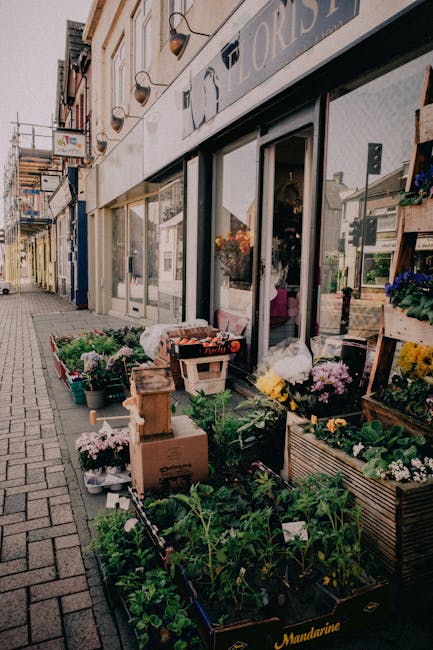
What Hornchurch florists must know about public space rules
Posted on 03/10/2026
If you run a florist in Hornchurch, you probably spend more time thinking about seasonal stock, delivery windows, and whether the peonies will open nicely by Friday. Fair enough. But once flowers leave the shopfront and move into public space, a different set of rules starts to matter. What Hornchurch florists must know about public space rules is not just a legal box-tick; it affects how you display, deliver, promote, and protect your business in the street-facing parts of daily trading.
That includes pavement displays, sandwich boards, pop-up stands, funeral tributes being carried through shared areas, vehicle loading, and any activity that spills onto land used by the public. The details can vary by location and council practice, so the safest approach is to understand the basics, ask the right questions early, and keep your setup tidy and proportionate. This guide breaks it all down in plain English, with practical examples you can actually use.
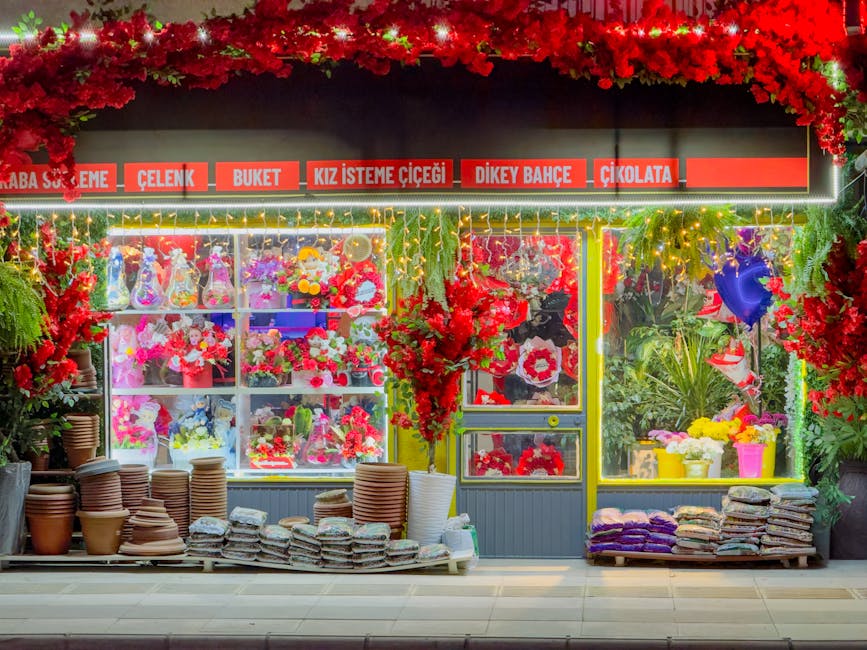
Contents
- Why public space rules matter for florists in Hornchurch
- How public space rules usually work
- Key benefits and practical advantages
- Who needs this and when it makes sense
- Step-by-step guidance for staying compliant
- Expert tips for better results
- Common mistakes to avoid
- Tools, resources and recommendations
- Law, compliance, standards and best practice
- Options, methods or comparison table
- Case study or real-world example
- Practical checklist
- Conclusion
- Frequently asked questions
Why What Hornchurch florists must know about public space rules Matters
Public space rules can feel like the unglamorous side of floristry. No ribbon, no scent, no colour. Just measurements, permissions, and boundaries. But they matter because florists often work right at the edge of private and public space. A bucket on the pavement, a floral stand near the door, or a delivery van double-parked for two minutes can all create issues if they are not managed properly.
For a Hornchurch florist, the stakes are practical as well as reputational. A well-kept frontage can draw people in. A cluttered or blocked pavement can do the opposite. And let's face it, nobody wants to be the shop that gets a complaint because passers-by, wheelchair users, or parents with buggies cannot get through comfortably.
It also affects risk. If a display falls, water spills, or stock obstructs the walkway, the business may be exposed to complaints or enforcement action. Even when enforcement is unlikely, the stress alone can be a nuisance. The simplest way to think about it is this: if your flowers are visible from public land, the rules around that space are suddenly part of your job.
Expert summary: if your floral business uses the pavement, kerbside, forecourt, or other shared areas in Hornchurch, treat those spaces as operational assets that need permission, planning, and regular checking.
How What Hornchurch florists must know about public space rules Works
The phrase "public space rules" covers a few different things. Some are about licensing or consent. Some are about highways and footways. Others are about general nuisance, safety, or accessibility. The exact label may differ depending on what you are doing, but the basic principle stays the same: you do not automatically have the right to use public space for business activity just because your shop is nearby.
For example, a florist may want to place a small display of roses, lilies, or seasonal bouquets outside the shop to attract passing customers. In one scenario, that might be fine with the right permission. In another, the same display could be too large, too close to the kerb, or positioned in a way that obstructs movement. Same flowers. Very different outcome.
The same is true for deliveries. A driver dropping off boxed stock before a wedding or funeral service may need to use loading space carefully, especially if the street is busy. Hornchurch is not a place where everyone parks perfectly all the time, obviously, so planning matters. The operational side of floristry and the public realm are linked, whether you like it or not.
In practice, good compliance usually means checking:
- whether your frontage needs permission or consent
- how much space is available without obstructing pedestrians
- what can be displayed outside and for how long
- how deliveries and collections are managed
- how you handle waste, water, and packaging near the pavement
- whether your signs or stands could create trip or visibility hazards
If you are also running special promotions, seasonal outdoor displays, or event-based sales, you may need to review the setup each time. A setup that works in quiet winter trading may be a headache in Mother's Day week when the street is busier and every extra inch counts.
Key Benefits and Practical Advantages
It may sound odd to talk about benefits when the subject is rules, but there are real advantages to getting this right. The first is peace of mind. Once you know what is allowed, you can focus on flower quality, customer service, and those little finishing details that make a bouquet feel special.
The second benefit is smoother trading. A clear, compliant frontage can make deliveries quicker, reduce friction with neighbours, and help staff work more confidently. No one wants to spend a busy morning wondering whether the sign outside is technically in the wrong place.
There is also a marketing upside. A tidy, tasteful public-facing display often looks more premium than a crowded one. Customers notice that. They might not say it out loud, but they feel it. A well-planned frontage can suggest care, discipline, and reliability, which is exactly what people want when they are ordering flowers for a wedding, a funeral, or a last-minute birthday surprise.
And, to be fair, compliance can save money. Fewer disputes, fewer fines, less wasted stock from displays that need to be moved at short notice. That is not glamorous, but it is good business.
- More predictable trading conditions
- Better accessibility for customers and pedestrians
- Lower risk of complaints or enforcement
- Stronger street-level presentation
- Improved staff confidence and efficiency
Who This Is For and When It Makes Sense
This topic matters to more people than you might think. It is not just for shop owners with a permanent storefront. If your floristry activity touches public space in any way, you should care about the rules.
That includes:
- independent florists with a Hornchurch shopfront
- mobile florists and market traders
- businesses that use outdoor displays to attract walk-ins
- florists handling weddings, funerals, or event deliveries
- teams managing same-day and next-day deliveries
- business owners planning seasonal promotions or pop-ups
It also matters if you are thinking of expanding. A florist that has happily traded from an indoor counter for years may suddenly run into public space issues when it starts using a pavement stand or extra signage. That change often happens quietly, almost accidentally. One day there is a bucket by the door, then a second one, and then someone realises the pavement looks a bit like a storage area. Happens more than people admit.
If you are a new florist in Hornchurch, it makes sense to understand the rules before you invest in displays, signage, or delivery routines. If you are established, this is the time to check whether your current setup still matches how you trade now. Businesses evolve. The frontage should too.
Step-by-Step Guidance
Here is a practical way to approach public space rules without turning the whole thing into a headache.
1) Map every place your business touches public land
Start with the obvious: the pavement outside your shop. Then think a bit wider. Do delivery drivers use the kerb? Do customers wait on the footway? Do you place stands, planters, or chalkboards near the entrance? Do funeral tributes or wedding flowers need to be carried through shared spaces? Write it down. It is easier to manage what you can see.
2) Identify what counts as a display, obstruction, or temporary use
Not everything outside the shop is treated the same way. A neatly placed bouquet stand is different from stacked boxes, which are different again from a promotional board or a delivery trolley. The point is not to overcomplicate things. It is to know which activity is routine, which is seasonal, and which is likely to need formal permission or extra care.
3) Check what permission may be needed
Depending on the setup, you may need consent for structures, displays, or the use of public space. If you are unsure, ask before you buy equipment. That small conversation can save a lot of backtracking later. It is a little boring, yes. Also very useful.
4) Design the frontage for movement, not just looks
A shopfront that photographs well on social media can still be awkward in real life. Leave enough room for pedestrians, prams, mobility aids, and passing customers. Make sure the display does not create pinch points near the entrance. Keep it simple and deliberate.
5) Set rules for staff and deliveries
Write down who can move displays, when deliveries should be accepted, and what to do during peak periods. For example, a Monday morning restock might be fine, but on a rainy Saturday with a crowd outside, the same process could become clumsy quickly. A few basic rules keep everyone on the same page.
6) Review after busy seasons or changes in trading
After Valentine's Day, Mother's Day, or the Christmas period, look at what worked and what did not. If a display kept drifting into the pavement or customers kept bunching near the doorway, adjust it. Small changes make a real difference.
Expert Tips for Better Results
In our experience, the best florist frontages are the ones that seem effortless but are quietly disciplined behind the scenes. Here are a few habits that help.
- Keep displays modular. If you can reduce, move, or fold a setup quickly, you will cope better with busy days and changing weather.
- Use lighter, stable materials. Heavy stands can be safe, but they should still be easy to reposition and less likely to tip in a gust of wind.
- Leave a clean sightline. Customers should be able to spot your doorway, opening hours, and any safety signage without hunting around.
- Think in terms of flow. A good frontage lets people approach, pause, browse, and leave without feeling boxed in.
- Keep water under control. Flower buckets and refill stations can create slippery patches if you are not careful.
- Plan for weather. Rain, wind, and evening darkness can all change how a display behaves. That little umbrella of a plan matters more than people expect.
One useful trick: stand across the street for a minute and look at your shop as a passer-by would. The view is often brutally honest. If the frontage looks busy, cluttered, or unsure of itself, that is usually how the street experiences it too.
And yes, the clipboard-and-checklist approach can feel a bit old-school. But it works. Especially when the shop gets busy and everyone's memory gets fuzzy by 4:30 pm.
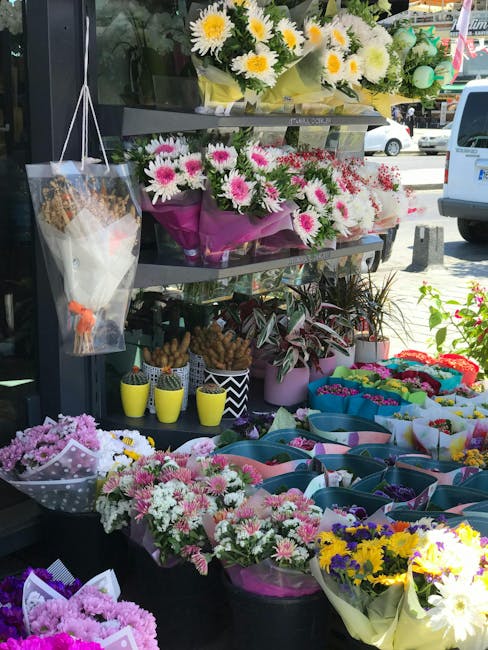
Common Mistakes to Avoid
Most problems with public space use are not dramatic. They are ordinary, avoidable, and slightly annoying. The good news is that they are also fixable.
- Assuming permission is automatic. Being close to the road does not mean you can use the road edge however you like.
- Letting displays creep outward. A few extra inches may not sound like much, but they can matter a lot on a narrow pavement.
- Mixing storage with display. Boxes, packaging, and spare buckets should not be treated as part of the retail frontage.
- Forgetting accessibility. If people with pushchairs or mobility aids have to divert awkwardly, the setup is not working.
- Ignoring seasonal pressure. What is fine in a quiet week may be a mess during a peak trading period.
- Failing to brief staff. A beautifully planned setup can still go wrong if a team member shifts it without understanding the limits.
A common one is "it was only out for ten minutes." That is not much of a defence if the item caused a blockage or hazard. It sounds small, but repeated small issues are exactly how complaints begin.
Tools, Resources and Recommendations
You do not need expensive software to manage public space rules well. What you do need is a sensible system.
Practical tools that help
- Measurement tape or laser measurer: useful for checking frontage width and display depth.
- Simple site sketch: mark doors, kerbs, bins, planters, and loading points.
- Staff checklist: keep one by the till or prep area so opening and closing routines stay consistent.
- Photo log: take dated pictures of your frontage after approved changes or seasonal adjustments.
- Delivery notes: record when large orders need special handling or timed unloading.
From a business point of view, a tidy flower shop also benefits from good supporting policies. If your customers ask about delivery timing, refunds, or flower care, it helps to have those answers ready too. Pages like delivery information, flower care advice, and returns and refund guidance can support that trust and reduce confusion.
For the wider business side, it is also worth keeping your public-facing terms clear. That includes payment expectations, accessibility considerations, and how you handle customer data. Nothing flashy, just sound housekeeping. If you want a broader sense of the business behind the blooms, the about us page can help present a more credible, grounded image too.
Law, Compliance, Standards, or Best Practice
Public space use for florists sits at the intersection of several practical duties: highway safety, accessibility, nuisance control, and local trading arrangements. The exact permission route can depend on what you are placing outside, where it sits, and how long it stays there. Because those details matter, it is wise to treat this as a compliance issue rather than a casual shopfront decision.
As a rule of thumb, if an item might obstruct pedestrians, obscure sightlines, create a trip hazard, or encroach into public land, it deserves a second look. Best practice usually means:
- keeping displays proportionate to the available space
- ensuring staff can move them quickly if needed
- avoiding sharp edges, unstable stands, or loose cables
- maintaining clear access routes
- checking whether waste, water, or packaging is escaping into the walkway
If your business carries out wedding or funeral work, there may be added practical sensitivity around timings, procession routes, and safe handover points. That does not necessarily mean extra formality every time, but it does mean extra care. Floral work often happens at emotional moments, and the environment should feel calm, not chaotic.
Best practice also means keeping records. If you obtain approval, make a note of what was agreed, when it was reviewed, and any conditions attached to it. That paper trail can be very handy if staff change or someone later questions the arrangement. A little dull? Sure. But helpful. Very helpful.
Options, Methods, or Comparison Table
Florists typically use one of a few approaches when working near public space. The best choice depends on footfall, frontage size, business model, and how much flexibility you need.
| Approach | What it looks like | Pros | Watch-outs |
|---|---|---|---|
| Indoor-only trading | All stock stays inside the shop | Lowest exposure to public-space issues, easier to manage | Less visible from the street, may reduce walk-in appeal |
| Limited frontage display | A small, controlled display close to the shopfront | Good visibility, still relatively easy to control | Needs careful spacing and regular monitoring |
| Active pavement use | Signs, stands, or displays extend into public space | Strong street presence, better chance of attracting passers-by | More likely to need permission and ongoing checks |
| Event-based use | Temporary setups for peak seasons or special orders | Flexible and useful for busy periods | Temporary does not mean risk-free; staffing and timing matter |
For many Hornchurch florists, the middle option is the sweet spot. It gives enough visual presence without turning the pavement into a makeshift showroom. That balance tends to age well, which is more than can be said for some overstuffed shopfronts we have all walked past in a hurry.
Case Study or Real-World Example
Picture a small florist near a busy Hornchurch high street. On weekdays, the shop keeps a modest display by the entrance: a small easel, two buckets of mixed blooms, and a sign showing daily specials. The owner wants to draw in walk-in customers without blocking the entrance or making the pavement feel cramped.
At first, the setup is fine. But then Valentine's week arrives, the stock grows, and staff begin placing extra buckets outside while wrapping orders inside. The frontage starts to drift. Boxes appear near the doorway. One delivery driver leaves a trolley by the edge of the pavement. By lunchtime, the display looks busy rather than curated.
The owner reviews the space and simplifies it. One bucket stand comes back inside. The sign is moved closer to the wall. Packaging is stored indoors. Deliveries are scheduled earlier in the day. The result is cleaner, safer, and less stressful. Customers still notice the flowers. Neighbours stop having little grumbles. The shop keeps its charm, but without the clutter.
That is the real lesson, truth be told. Compliance is often less about doing something fancy and more about editing what is already there. Less fuss. Better flow. More breathing room.
Practical Checklist
Use this checklist before you place anything in a public-facing area.
- Have I checked whether this item sits on private or public land?
- Is the display narrow enough to leave a clear path for pedestrians?
- Can the setup be moved quickly if needed?
- Does anything create a trip, slip, or knock-over risk?
- Are water, packaging, and waste contained properly?
- Have staff been shown exactly where the display may go?
- Do deliveries have a defined loading or drop-off routine?
- Have I reviewed the setup during busy trading periods?
- Do I know who to contact if the arrangement needs review?
- Would the frontage still look tidy after an hour of real-world traffic?
If you can answer "yes" to most of those, you are probably in a much safer place than many businesses that just wing it and hope for the best.
Conclusion
What Hornchurch florists must know about public space rules comes down to a simple principle: the pavement is part of your trading environment, but it is not yours to use however you like. Once you understand the boundaries, you can build a frontage that is attractive, practical, and far less likely to cause problems.
The best florists do this well without making a song and dance about it. They keep things neat. They plan deliveries. They respect the people sharing the street. And they make the customer experience feel calm from the moment someone walks past the window to the moment the bouquet goes home.
If you are checking your frontage, updating your delivery process, or simply wanting a cleaner, safer setup, take the time to review the details properly. Small adjustments now can save awkward conversations later, and that is a relief all round.
Get a free quote today and see how much you can save.
Frequently Asked Questions
Do Hornchurch florists need permission to put flowers outside the shop?
Often, yes, or at least some form of approval depending on what is being placed outside and where. A small display may be treated differently from a larger stand or sign. The safest approach is to check before you set anything up, especially if it sits on or near public land.
What counts as public space for a florist?
In practical terms, it is any shared area such as the pavement, kerbside, forecourt, or other land used by the public. If customers or passers-by need to move through it, assume it needs careful handling.
Can a florist use the pavement for a display board?
Sometimes, but not automatically. The board needs to be positioned safely and may require consent depending on local rules and the exact setup. It should never block access or become a hazard in windy weather.
Are temporary seasonal displays treated differently?
They can be, but temporary does not mean exempt. Busy periods like Valentine's Day, Mother's Day, and Christmas often create extra pressure on space, so temporary displays still need the same care and review.
What is the biggest risk if I ignore public space rules?
The biggest risks are complaints, enforcement, and avoidable safety problems. Even small obstructions can create issues for pedestrians, especially on busy or narrow pavements. It is one of those things that seems minor until it is not.
How can I make my shopfront safer without losing visibility?
Keep the display compact, tidy, and close to the wall or window line where possible. Use clear sightlines, stable stands, and a layout that invites people in without crowding the walkway. A good frontage should feel open, not defensive.
Do deliveries need to follow public space rules too?
Yes. Loading, unloading, and waiting near the road can all affect public space. The same applies if trolleys, boxes, or packaging spill onto the pavement. Delivery routines should be planned with that in mind.
What if my frontage changes during the day?
Then you need a system for checking it regularly. A display that is fine at opening time can drift by lunchtime, especially on a busy day. Staff should know what can be moved and what must stay put.
Is a neat frontage really worth the effort?
Absolutely. A tidy frontage improves safety, helps customers browse comfortably, and makes your business look more dependable. It also reduces the chance of arguments over where stock or signage should sit.
Should I keep records of any permissions or approvals?
Yes, definitely. Keep notes, photos, and any written agreements together. If something is queried later, having a clear record saves time and avoids a lot of unnecessary back-and-forth.
How often should I review my public space setup?
At minimum, review it whenever your trading pattern changes, after seasonal peaks, and whenever you add new signage or displays. In a busy florist business, that may mean more often than you expect. Which is probably a good thing.
Can public space rules affect wedding and funeral flower work?
Yes, especially where tributes, arrangements, or large orders need to be moved through shared spaces or loaded into vehicles near the road. The work is often time-sensitive and emotionally important, so the handover process should be calm, safe, and well organised.